3 Signs of Bed Bugs in Your Child: What Parents Should Look For
Bed bugs can be difficult to detect at first, especially when they hide in mattresses, bedding, and furniture near your child’s sleeping area. If your child has been waking up with itchy spots, poor sleep, or unexplained skin irritation, bed bugs may be the reason. Knowing the early warning signs can help you respond quickly and prevent the infestation from spreading.
What Are Bed Bugs?
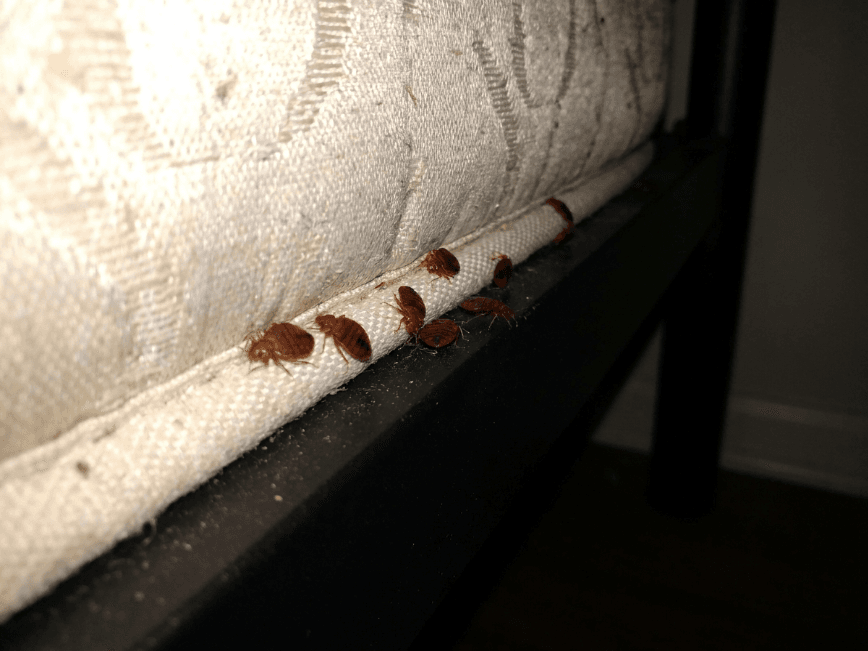
Bed bugs are tiny insects that feed on human blood, usually at night while people are sleeping. They are small, flat, and reddish-brown, which makes them hard to spot during the day. Bed bugs do not fly or jump, but they move easily from one place to another by hiding in clothes, luggage, bedding, and furniture.
Children can be especially affected because they spend many hours sleeping and may not notice the first bites right away. Although bed bugs are not known to spread diseases, they can still cause discomfort, anxiety, and interrupted sleep. That is why identifying the signs early is so important.
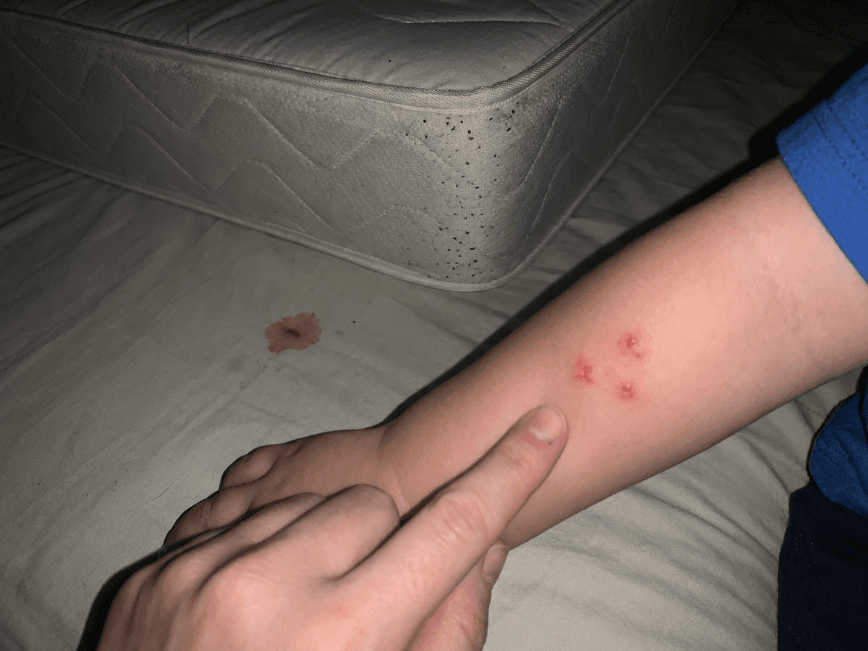
1. Itchy Red Bites on the Skin
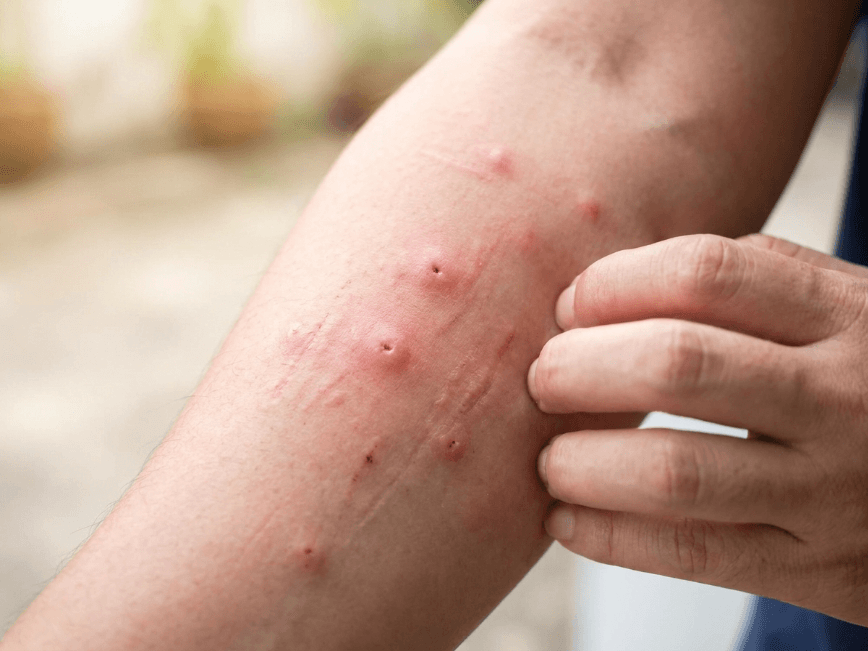
One of the most common signs of bed bugs in a child is the appearance of itchy red bites. These bites often show up on exposed areas of the body such as the face, neck, arms, hands, and legs. They may appear as small red bumps, sometimes in a line or cluster, and can look like mosquito bites or a mild skin rash.
Your child may scratch the bites often because they feel itchy or irritated. In some cases, scratching can lead to broken skin, scabs, or a secondary infection. If your child wakes up with new bites that were not there the night before, especially if they happen repeatedly, bed bugs should be considered as a possible cause.
It is important to remember that not every itchy rash is caused by bed bugs. Allergies, eczema, mosquito bites, and other skin conditions can look similar. Still, when the bites appear after sleep and keep coming back, they deserve a closer look.
2. Blood Spots or Dark Stains on Bedding
Another clear warning sign of bed bugs is spotting small blood marks or dark stains on sheets, pillowcases, blankets, or pajamas. These stains may happen when bed bugs are crushed during sleep or when bites leave tiny traces of blood. You may also notice black or brown dots, which are often bed bug droppings.
Check the mattress seams, bed frame, pillow edges, and fitted sheet corners carefully. Bed bugs like to hide near where people sleep, especially in dark and tight spaces. If you notice stains along with itchy bites, the chance of a bed bug problem becomes much higher.
Parents should also look for signs in nearby areas, including curtains, upholstered chairs, and stuffed toys near the bed. Bed bugs can spread beyond the mattress if the infestation is not treated quickly. A careful inspection of the sleeping area can reveal more than the bites alone.
3. Small Bugs, Eggs, or Shed Skins Near the Bed
The third major sign of bed bugs is actually finding the insects or their traces around the bed. Adult bed bugs are small, oval-shaped, and reddish-brown, while younger ones are lighter in color. You may also see tiny white eggs, pale shed skins, or clusters of bugs hiding along mattress seams, behind the headboard, under furniture, or in wall cracks.
A musty or unpleasant smell can sometimes appear when the infestation is more serious. This smell is caused by scent glands released by bed bugs. Even if you cannot see the bugs immediately, these physical signs can confirm that they are present in the room.
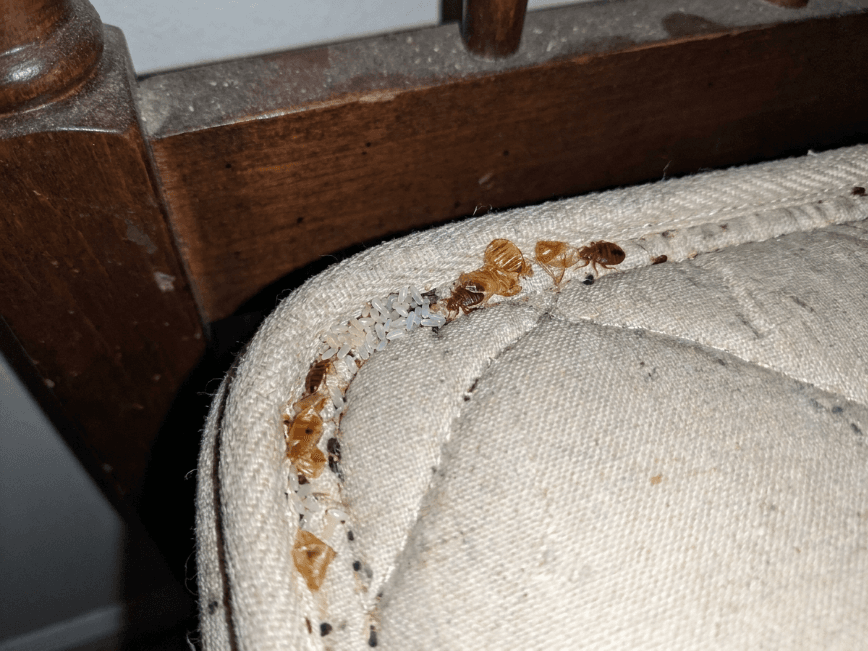
Because bed bugs are so good at hiding, many families do not notice them until the problem has already grown. That is why it helps to inspect the child’s bed regularly, especially if the child keeps getting new bites. Early detection can make treatment much easier and less expensive.
Why Bed Bugs Affect Children So Easily
Children are often more sensitive to bed bug bites because their skin can react more strongly. They may also have a harder time explaining what they feel, especially if the bites start at night. In many cases, a child may only complain that they are itchy, restless, or tired in the morning.
Bed bugs can also disturb sleep, which may affect your child’s mood, energy, and concentration during the day. Repeated itching can make bedtime uncomfortable and create stress for both the child and the parents. For this reason, even a small suspicion should be taken seriously.
If more than one person in the home is waking up with bites, the chance of bed bugs increases. Still, bed bugs may affect one child first before anyone else notices. That is why checking the bedroom thoroughly matters.
What Parents Should Do Right Away
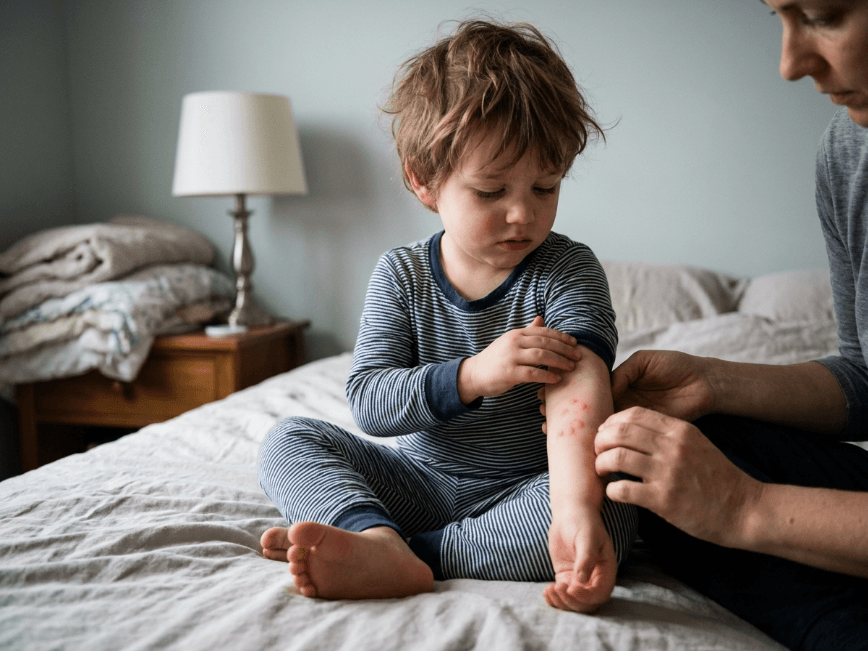
If you think your child has bed bug bites, start by washing all bedding, blankets, and clothes in hot water and drying them on high heat. Vacuum the mattress, bed frame, baseboards, and nearby furniture carefully. Put vacuum contents in a sealed bag and remove them from the home right away.
Do not move items from one room to another without checking them first, because that can spread the bugs. It is also helpful to inspect luggage, school bags, and soft toys if they have been near the sleeping area. If you can confirm bed bugs, professional pest control is often the most effective solution.
For the bites themselves, try to keep your child from scratching. A gentle anti-itch cream, cold compress, or advice from a pharmacist may help reduce discomfort. If the skin becomes very swollen, infected, or painful, speak with a healthcare professional.
When to Seek Medical Help
Most bed bug bites improve on their own, but medical help may be needed if your child has a strong reaction. Watch for severe swelling, signs of infection, fever, or trouble breathing. If the bites are getting worse instead of better, a doctor should evaluate the skin.
You should also seek help if your child is losing sleep or becoming very distressed. Even though bed bugs are not usually dangerous in a medical sense, the emotional and physical impact can still be significant. Fast action can protect your child’s health and peace of mind.
How to Prevent Bed Bugs in the Future
Prevention is just as important as treatment. Check secondhand furniture before bringing it into the home, and inspect hotel beds when traveling. Keep luggage off beds and floors when possible, and wash travel clothes as soon as you return home.
Regularly cleaning the bedroom and checking mattress seams can help you catch problems early. Mattress encasements may also reduce hiding places for bed bugs. The more you reduce clutter and hiding spots, the easier it is to spot an infestation before it spreads.
Final Thoughts
The three biggest signs of bed bugs in your child are itchy red bites, blood spots or dark stains on bedding, and visible bugs, eggs, or shed skins near the bed. If you notice these warning signs, act quickly to inspect the room and begin treatment. Bed bugs can be frustrating, but early action makes them much easier to control.